


Artificial intelligence leader OpenAI has dramatically revised its vision for the future, stepping back from the idea of fully autonomous AI systems. In a recent announcement, CEO Sam Altman and chief researcher Jakub Pachocki revealed the company no longer aims to create AI that operates independently by 2028. Instead, they now advocate for a collaborative approach where humans and machines work side by side.
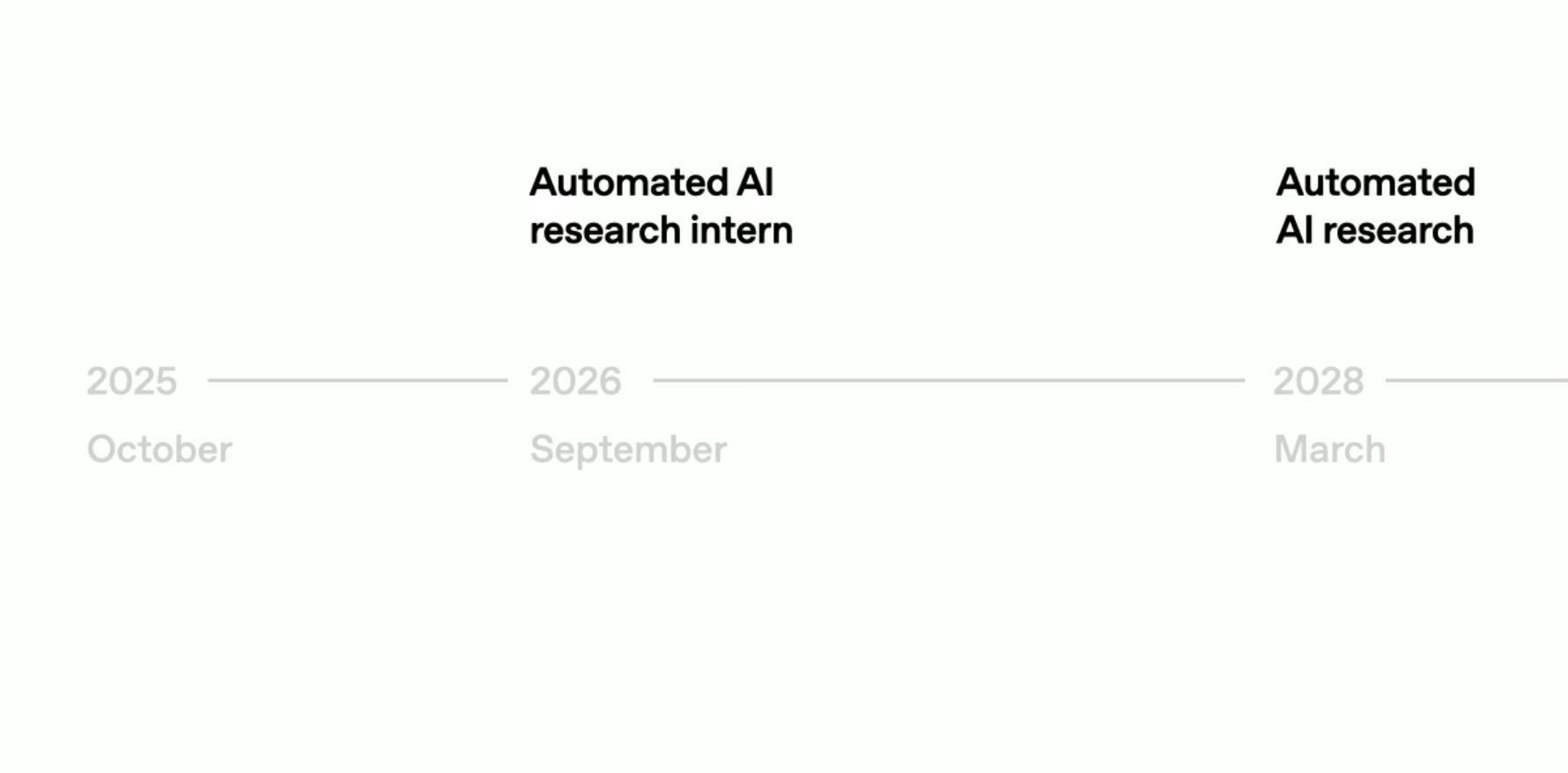
This pivot marks a significant departure from OpenAI’s earlier ambitions. Just months ago, the company set a clear target: developing AI capable of conducting research without human intervention within three years. The new direction emphasizes human oversight, ethical considerations, and a more measured pace of innovation. But what prompted this change, and what does it mean for the future of AI?
OpenAI’s updated roadmap now focuses on a “tandem” model, where AI assists researchers rather than replacing them entirely. By March 2028, the company expects AI to handle a substantial portion of research tasks—but always in partnership with human experts. This shift reflects growing concerns about the risks of unchecked automation, including job displacement and loss of human agency.
Altman and Pachocki argue that complete automation would be both "unfulfilling and dangerous." They stress that humans must retain control over key decisions, such as determining what problems are worth solving. As AI becomes more advanced, the role of human judgment—balancing trade-offs, setting priorities, and applying ethical standards—becomes even more critical.
In a surprising turn, OpenAI is also calling for an international regulatory body to oversee AI progress. This proposal aligns with recent statements from competitors like Anthropic, which suggested the need for temporary pauses in development to ensure safety and alignment with societal needs.
The idea is to create a coordinated system that can slow down frontier AI research when necessary, allowing time for safety measures and societal adaptation to catch up. However, this stance contrasts sharply with OpenAI’s own ambitious goals, including building an automated AI researcher, accelerating economic growth, and providing every person with a personal artificial general intelligence (AGI).
OpenAI describes its journey in three distinct phases. The first phase focused on foundational research, laying the groundwork for AI breakthroughs. The second phase transformed the company into a product-driven business, bringing tools like ChatGPT to the masses. Now, in its third phase, OpenAI aims to make advanced AI “abundant, affordable, safe, useful, and easy” for everyone.
This shift reflects a broader strategic move—from simply developing AI models to ensuring they are effectively integrated into real-world applications. The company’s new subsidiary, DeployCo, exemplifies this approach by embedding engineers directly into businesses to help them adopt AI solutions. This hands-on strategy acknowledges that successful AI implementation is far more complex than just offering a chatbot.
Despite rapid advancements, AI adoption remains slower than expected in many industries. Companies often struggle to see a clear return on investment (ROI), which could hinder OpenAI’s revenue growth in the coming years. By positioning itself as an implementation partner rather than just a model provider, OpenAI hopes to bridge this gap and accelerate adoption.
OpenAI’s new stance highlights the tension between innovation and responsibility. While the company still pursues groundbreaking AI capabilities, it now recognizes the need for guardrails. The proposed international body could help prevent reckless acceleration, but it also raises questions about who would control such an organization and how effective it would be.
At the heart of OpenAI’s pivot is the belief that humans must remain in the loop. AI may excel at processing data and generating insights, but it lacks the ability to make value-based decisions. As Altman and Pachocki put it, “A key long-term role for people will be deciding what is worth doing.” This perspective reinforces the idea that AI should augment human potential rather than replace it.
OpenAI now believes complete automation could be dangerous and unfulfilling. The company emphasizes the importance of human oversight in AI research and decision-making to ensure ethical and safe development.
Instead of fully autonomous AI, OpenAI aims to have AI systems assist human researchers in a collaborative model. The goal is for AI to handle a significant portion of research tasks while humans retain control.
OpenAI suggests creating an international organization to coordinate AI development efforts. This body would have the authority to slow down frontier research when necessary to ensure safety and societal alignment.
OpenAI is shifting from being a model provider to an implementation partner. Through initiatives like DeployCo, the company will embed engineers into businesses to help integrate AI solutions effectively.
OpenAI’s recent announcement signals a major shift in the AI industry’s trajectory. By stepping back from full automation and advocating for human-AI collaboration, the company is acknowledging the complexities and risks of unchecked technological progress. The call for an international regulatory body further underscores the need for responsible innovation.
As AI continues to evolve, the balance between automation and human control will remain a critical debate. OpenAI’s new approach suggests that the future of AI may not be about machines replacing humans but about working together to solve the world’s most pressing challenges. For businesses and individuals alike, this means preparing for a future where AI enhances—not replaces—human potential.






