
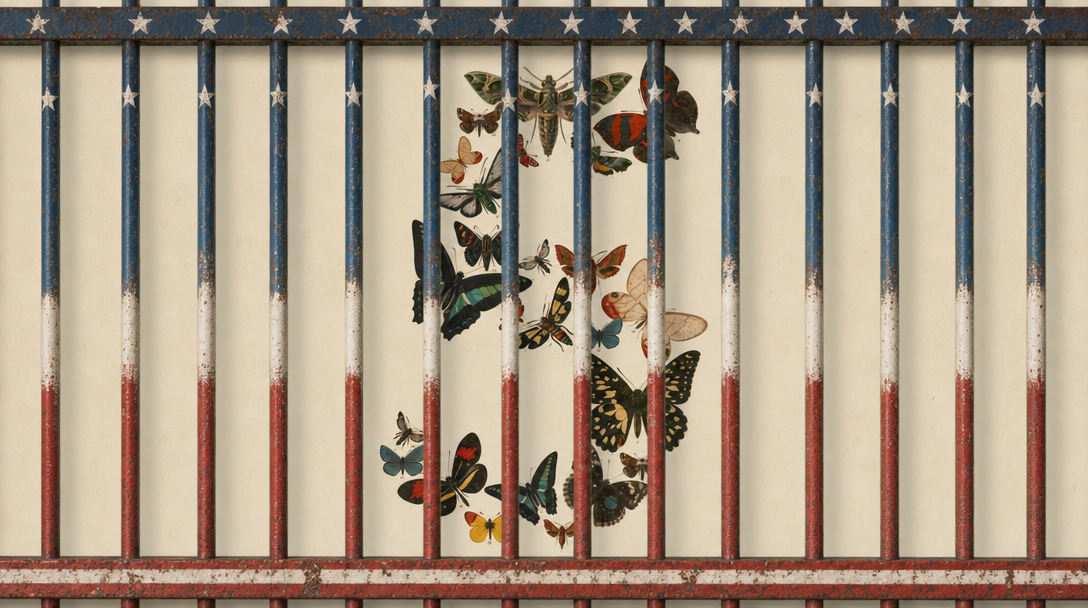
The sudden restriction of two leading AI models by the U.S. government has sent shockwaves through the tech industry. Anthropic, a major player in artificial intelligence, has been ordered to disable global access to its Fable 5 and Mythos 5 systems, raising urgent questions about national security, corporate compliance, and the future of AI regulation.
This unprecedented move targets all users outside the United States, including anthropic’s own international workforce. While the company has complied with the directive, it has also voiced strong objections, calling the decision a misunderstanding and vowing to restore access as quickly as possible. The ban highlights growing tensions between innovation and security in the rapidly evolving AI landscape.
The export control directive stems from concerns over a potential security vulnerability in Fable 5. According to government officials, a suspected jailbreak method could allow users to bypass the model’s built-in safety protocols. However, Anthropic has publicly challenged this claim, arguing that the identified risks are minor and already present in other widely available AI systems.
The company reviewed the government’s findings and concluded that the alleged exploit involves a narrow set of capabilities—such as analyzing codebases and fixing software bugs—that are already accessible through competing models like OpenAI’s GPT-5.5. Security researchers routinely use these functions to strengthen cybersecurity defenses, making the government’s concerns appear disproportionate.
Before their release, Fable 5 and Mythos 5 underwent extensive safety evaluations. The U.S. government, the UK AI Safety Institute, independent auditors, and Anthropic’s internal teams collectively spent thousands of hours stress-testing the models. The company has stated that its safeguards are far more robust than those of any previously deployed AI system, with some users even criticizing them as overly restrictive.
Despite these precautions, no AI model is entirely immune to jailbreaks. Anthropic acknowledges that perfect security is unattainable, given the vast attack surfaces of large language models. Instead, the company employs a “defense in depth” strategy, combining multiple layers of protection with continuous monitoring to detect and neutralize threats quickly.
Anthropic’s current dilemma stems partly from its own marketing. For months, the company aggressively promoted Mythos 5’s advanced cybersecurity features, positioning it as a superior alternative to competing models. Now, it finds itself arguing that similar capabilities are already available in other AI systems, undermining its earlier claims.
This reversal highlights a broader industry challenge: balancing innovation with security. While Anthropic’s warnings about AI risks were meant to justify its rigorous safety measures, they may have inadvertently set a higher standard for scrutiny—one that the government is now enforcing more strictly.
Anthropic has warned that the government’s decision could set a troubling precedent. If narrow vulnerabilities justify the shutdown of widely used AI models, the entire industry could face similar disruptions. The company argues that such actions should follow a transparent, evidence-based legal process rather than unilateral directives.
In previous statements, Anthropic supported the idea of government oversight but insisted on clear, fair, and technically grounded regulations. The current ban, however, appears to bypass these principles, raising concerns about arbitrary enforcement in the future.
The immediate impact of the shutdown is widespread disruption. Businesses, researchers, and individual users worldwide have lost access to two of the most advanced AI models available. While Anthropic’s other systems remain operational, the loss of Fable 5 and Mythos 5 could slow down projects relying on their unique capabilities.
For the broader AI industry, the incident underscores the need for clearer regulatory frameworks. Companies may now face increased pressure to preemptively address security concerns, even if they involve minor or hypothetical risks. Meanwhile, developers must navigate an uncertain landscape where government intervention could reshape the market overnight.
Anthropic has pledged to work closely with regulators to resolve the issue and restore access as soon as possible. The company plans to release a detailed response within 24 hours, outlining its position and proposed solutions. Whether this will lead to a reversal of the ban or further restrictions remains to be seen.
The situation also raises questions about the future of AI governance. If the U.S. government continues to intervene in this manner, other nations may follow suit, creating a fragmented regulatory environment. For now, the industry is watching closely to see how this dispute unfolds and what it means for the next generation of AI development.
The government cited national security concerns, claiming a potential jailbreak could bypass the models’ safety measures. Anthropic disputes this, arguing the risks are minor and already present in other AI systems.
No, only Fable 5 and Mythos 5 have been disabled. The company’s other models remain available to users worldwide.
Anthropic is working to restore access quickly but has not provided a specific timeline. The company plans to release more details within 24 hours.
The U.S. government’s decision to shut down Anthropic’s Fable 5 and Mythos 5 models marks a significant moment in AI regulation. While the move reflects growing concerns over security, it also raises questions about the balance between innovation and control. Anthropic’s compliance, despite its objections, highlights the challenges companies face when government directives conflict with technical assessments.
This incident could have far-reaching implications for the AI industry. If narrow vulnerabilities become grounds for widespread bans, future model deployments may face similar disruptions. For now, the focus remains on resolving the current dispute and establishing clearer guidelines for AI safety and oversight. As the situation evolves, the tech world will be watching closely to see how this shapes the future of artificial intelligence.