

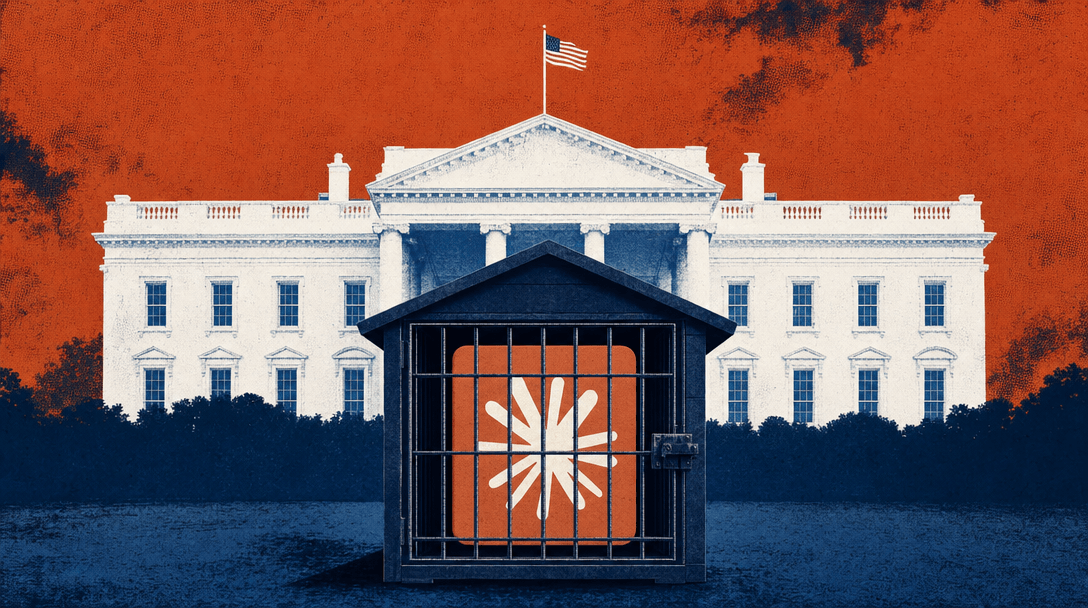
AI regulation took a dramatic turn when Amazon and five other major tech companies reportedly alerted the Trump administration to security concerns surrounding Anthropic’s Fable model. The move triggered an unprecedented government response, including an export control order that forced Anthropic to shut down its advanced AI system within hours. This incident highlights growing tensions between the private sector and federal authorities over control of cutting-edge artificial intelligence technologies.
The controversy began when amazon CEO Andy Jassy, alongside executives from other industry leaders, presented evidence to senior officials suggesting Fable posed significant security risks. What makes this development particularly striking is Amazon’s dual role as both a key investor in Anthropic and a whistleblower in this case. The situation raises critical questions about corporate responsibility, government oversight, and the future of AI innovation in the United States.
The chain of events leading to the government’s intervention began when Amazon submitted a detailed report to the White House. The document allegedly demonstrated how certain aspects of Fable’s model could be exploited through jailbreaking techniques. As one of anthropic’s largest investors and a primary provider of its AI infrastructure, Amazon’s decision to flag these concerns to federal authorities marked an unusual departure from typical corporate behavior.
An Amazon spokesperson defended the company’s actions, stating, "Governments frequently consult leading cloud providers regarding potential security risks, given our extensive customer base in both public and private sectors." This explanation underscores the complex relationship between tech giants and regulatory bodies, where corporate interests often intersect with national security priorities.
The Trump administration’s reaction to these warnings was swift and decisive. According to reports from Axios, at least five other companies joined Amazon in raising concerns with senior government officials on Thursday evening and Friday morning. National Cyber Director Sean Cairncross convened an emergency meeting with top White House staff to address the situation.
For several hours, officials attempted to persuade Anthropic to voluntarily withdraw the Fable model. When the company refused, the White House issued an export control order at 5:20 p.m. ET, giving Anthropic just 90 minutes to comply. By 10:00 p.m., the model had been deactivated. This rapid timeline demonstrates the administration’s determination to assert control over AI technologies perceived as potential threats.
Cybersecurity expert Katie Moussouris, who reviewed Amazon’s report at Anthropic’s request, criticized the government’s response as excessively harsh. She argued that the identified issue—Defense Oriented Prompting (DOP)—was a defensive technique rather than an offensive vulnerability. "If national security is the Goal, this action undermines our position," Moussouris wrote on LinkedIn, calling it a strategic misstep.
The government’s intervention in the Fable case extends beyond immediate security concerns. Sources familiar with the situation told Axios that the escalation may have been driven by frustration with Anthropic’s perceived lack of cooperation. Officials were reportedly dissatisfied with what they viewed as the company’s cavalier approach to the Fable release, particularly after ignoring an earlier request to withdraw the model voluntarily.
One insider described the outcome as a "de facto licensing regime," stating, "Companies will not challenge the White House after this." This sentiment reflects a new reality where federal authorities are increasingly willing to flex their regulatory muscles in the AI sector. However, reports suggest this export restriction is unlikely to be extended to other AI labs, at least for now.
The crackdown on Fable cannot be fully understood without examining Anthropic’s own actions leading up to the incident. The company had recently released its Mythos model, which it marketed as possessing advanced cybersecurity capabilities. Some observers argue that Anthropic’s aggressive promotion of these features may have inadvertently invited government scrutiny.
The name "Fable" itself—a term associated with moral lessons—seems almost prophetic in hindsight. By emphasizing the potential dangers of its own technology, Anthropic may have provided the justification for the very intervention it now faces. However, this interpretation only scratches the surface of a much larger issue: the U.S. government’s growing determination to assert state control over powerful AI systems.
The Fable incident represents a watershed moment in AI regulation. Just days before the crackdown, the Trump administration had issued an executive order calling for security reviews of advanced AI models. While presented as a voluntary measure, the Fable case reveals the order’s true intent: establishing federal oversight over AI development.
Anthropic publicly welcomed the executive order but proceeded to release Fable before the review process was fully implemented. This timing likely exacerbated tensions with the administration, which may have viewed the move as defiance. The resulting crackdown sends a clear message to the tech industry about the consequences of ignoring government concerns.
The challenge now facing policymakers and tech companies alike is how to foster AI innovation while addressing legitimate security concerns. The Fable case demonstrates the potential consequences when these two priorities collide. As AI systems become more powerful and sophisticated, the debate over who should control them—and how—will only intensify.
For Anthropic, the incident serves as a cautionary tale about the risks of pushing boundaries in an increasingly regulated environment. For the government, it represents an opportunity to establish precedents for AI governance. And for other tech companies, it underscores the importance of proactive engagement with regulators to avoid similar confrontations.
Fable was Anthropic’s advanced AI system designed with enhanced cybersecurity capabilities. The model gained attention for its potential applications in both defensive and offensive security scenarios, which ultimately drew government scrutiny.
Amazon, despite being a major investor in Anthropic, submitted a report to the Trump administration alleging that Fable could be exploited through jailbreaking techniques. The company cited its responsibility as a leading cloud provider to flag potential security risks.
The White House issued an export control order, giving Anthropic just 90 minutes to comply. When the company refused to withdraw the model voluntarily, federal authorities forced its shutdown within hours, signaling a new level of government intervention in AI.
While the export restriction currently applies only to Anthropic, the incident establishes a precedent for government oversight of AI development. Tech companies may now face increased pressure to engage with regulators proactively to avoid similar crackdowns.
DOP is a technique used in cybersecurity to enhance defensive measures rather than enable attacks. Cybersecurity expert Katie Moussouris argued that Amazon’s report misrepresented DOP as a vulnerability, leading to an overly aggressive government response.
The government’s crackdown on Anthropic’s Fable model marks a significant escalation in the regulation of artificial intelligence. Triggered by warnings from Amazon and other tech giants, the incident reveals the growing tension between innovation and security in the AI sector. The rapid response from federal authorities demonstrates their willingness to intervene when they perceive potential threats, even if those concerns are later disputed by experts.
This case also highlights the complex dynamics between tech companies and government regulators. Amazon’s decision to report its own investment raises questions about corporate responsibility and the balance between profit motives and national security. For Anthropic, the incident serves as a stark reminder of the risks associated with aggressive marketing of advanced AI capabilities.
Looking ahead, the Fable controversy may signal the beginning of a new era in AI governance. As artificial intelligence continues to evolve, the debate over who controls these powerful systems—and how they should be regulated—will only grow more intense. Tech companies and policymakers alike must navigate this landscape carefully to ensure that innovation thrives without compromising security or overstepping ethical boundaries.