


China is accelerating its artificial intelligence ambitions with a staggering $295 billion investment plan to construct a nationwide AI infrastructure network. This initiative, revealed by Bloomberg, marks Beijing’s most aggressive push yet to dominate the global AI landscape while reducing reliance on foreign technology. The strategy hinges on one critical condition: at least 80% of the components, including AI chips, must be sourced domestically—effectively sidelining U.S. giants like Nvidia and AMD.
The five-year project, spearheaded by China’s National Development and Reform Commission, aims to create a seamless web of interconnected data centers. State-backed telecom giants such as China Mobile and China Telecom will oversee operations, ensuring alignment with Beijing’s broader technological sovereignty goals. With funding from government bonds, state investment funds, and private capital, this effort is part of the “Six Networks” program, which also targets critical infrastructure like energy and water systems. By 2028, China’s AI industry could swell to over 10 trillion yuan, cementing its position as a global AI powerhouse.
China’s $295 billion commitment dwarfs previous AI infrastructure investments, reflecting its determination to outpace Western competitors. The plan envisions a unified network of data centers by 2028, with total spending—including power infrastructure—potentially exceeding 5 trillion yuan. While U.S. tech titans like Meta and Microsoft are pouring $725 billion into AI in 2026 alone, China’s lower labor and construction costs offer a cost advantage, making its investment go further.
The initiative isn’t just about hardware; it’s a strategic move to bolster China’s semiconductor independence. Nine domestic AI chips, developed by Huawei, Alibaba, and Shanghai Biren Technology, recently passed government security reviews, paving the way for their use in sensitive sectors. According to Bloomberg Intelligence, the broader economy stands to benefit most, with Huawei poised to emerge as the biggest winner.
As China ramps up its AI infrastructure, Taiwan is moving to tighten controls on AI chip exports to its neighbor. Currently, unauthorized shipments of AI chips from Taiwan to China aren’t classified as criminal offenses, limiting authorities to charges like document forgery. However, as part of ongoing trade negotiations with the U.S., Taipei is considering stricter measures, including restrictions on sales to Chinese customers exceeding certain computing power thresholds—not just those on export blacklists like Huawei.
This shift would enable Taiwan to prosecute AI chip smuggling as a criminal offense for the first time. In May, Taiwanese authorities made their first arrests in a suspected smuggling case but could only charge suspects with document fraud. Investigators believe Nvidia servers were rerouted through Japan to Hong Kong, highlighting the challenges of enforcing existing controls.
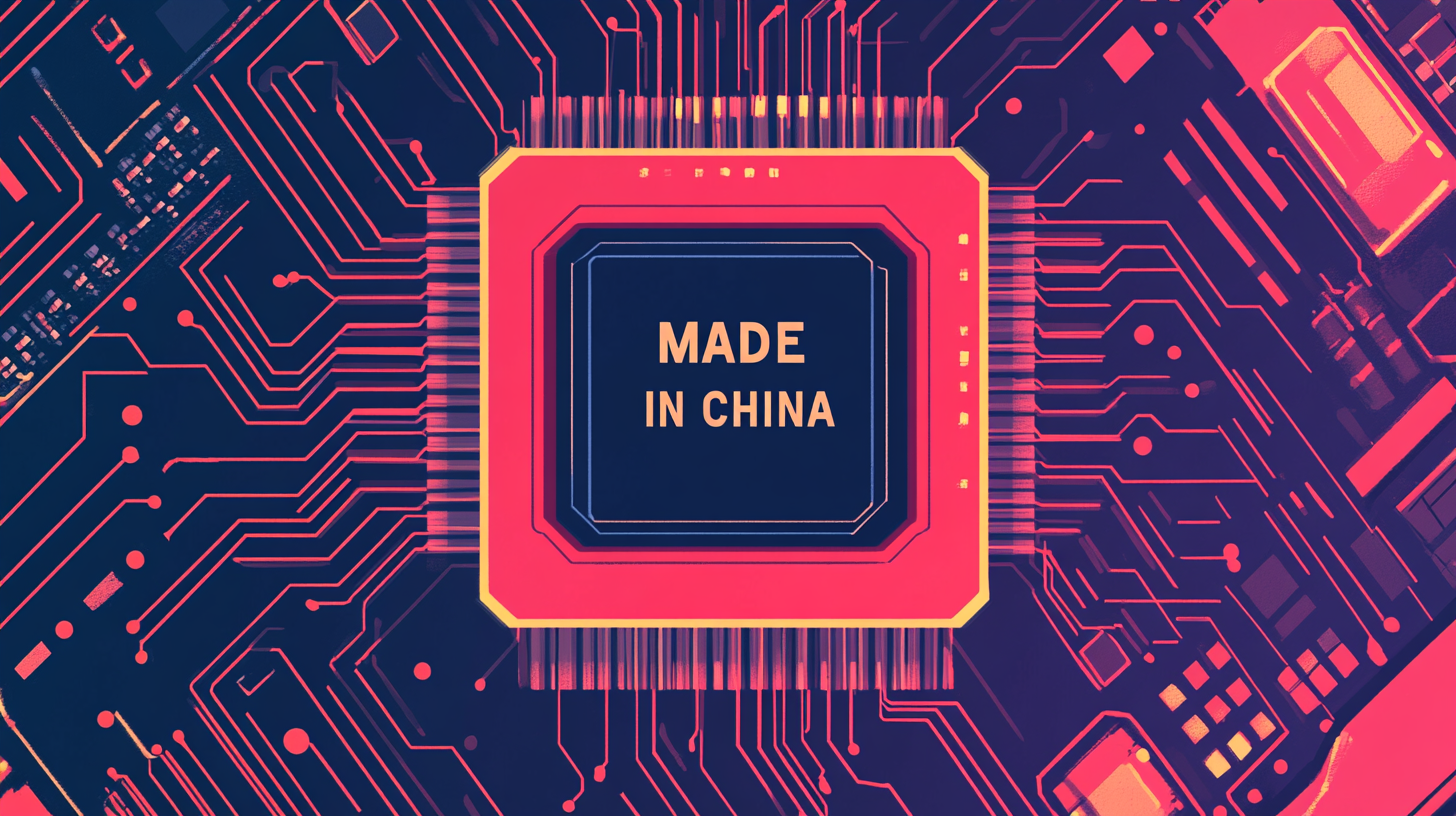
China’s AI expansion isn’t just about technological leadership; it’s a geopolitical chess move. By prioritizing domestic chips, Beijing aims to insulate its AI ecosystem from U.S. export restrictions, which have already targeted companies like Huawei. This self-sufficiency drive aligns with China’s broader “dual circulation” strategy, which seeks to reduce dependence on foreign technology while boosting domestic innovation.
For U.S. semiconductor firms, China’s pivot spells lost revenue. Nvidia, which dominates the AI chip market, could see its access to China’s lucrative data center market severely curtailed. Meanwhile, Chinese tech giants like Alibaba and Tencent are likely to ramp up their own AI chip development, further intensifying competition.
The escalating U.S.-China tech war is reshaping the AI landscape. While Washington has imposed export controls on advanced semiconductors, China’s domestic chip industry is rapidly advancing. Huawei’s Ascend series and Alibaba’s Hanguang chips are just two examples of homegrown alternatives gaining traction. If successful, China’s AI infrastructure plan could redefine global tech supply chains, forcing Western companies to adapt or risk falling behind.
China’s investment aims to build a nationwide network of AI data centers, reducing reliance on foreign technology and positioning itself as a global AI leader. The plan also supports domestic chip manufacturers like Huawei and Alibaba.
The requirement for 80% domestic components will likely shut out U.S. firms like Nvidia and AMD from China’s AI data center market, impacting their revenue and global market share.
Taiwan is considering stricter export controls on AI chips to China, including potential criminal penalties for smuggling. This move aligns with U.S. efforts to limit China’s access to advanced semiconductors.
China’s $295 billion AI infrastructure plan represents a bold gambit to achieve technological self-sufficiency while challenging U.S. dominance in the semiconductor industry. By mandating 80% domestic chip usage, Beijing is not only accelerating its AI capabilities but also reshaping global supply chains. The initiative underscores China’s determination to lead in AI, even as geopolitical tensions with the U.S. and Taiwan intensify.
For the global tech industry, this shift signals a new era of competition, where domestic innovation and strategic independence take center stage. As China’s AI ecosystem grows, Western companies will need to adapt—or risk being left behind in the race for AI supremacy.